Holding Washington Foster Agencies Accountable for Failing to Protect Children
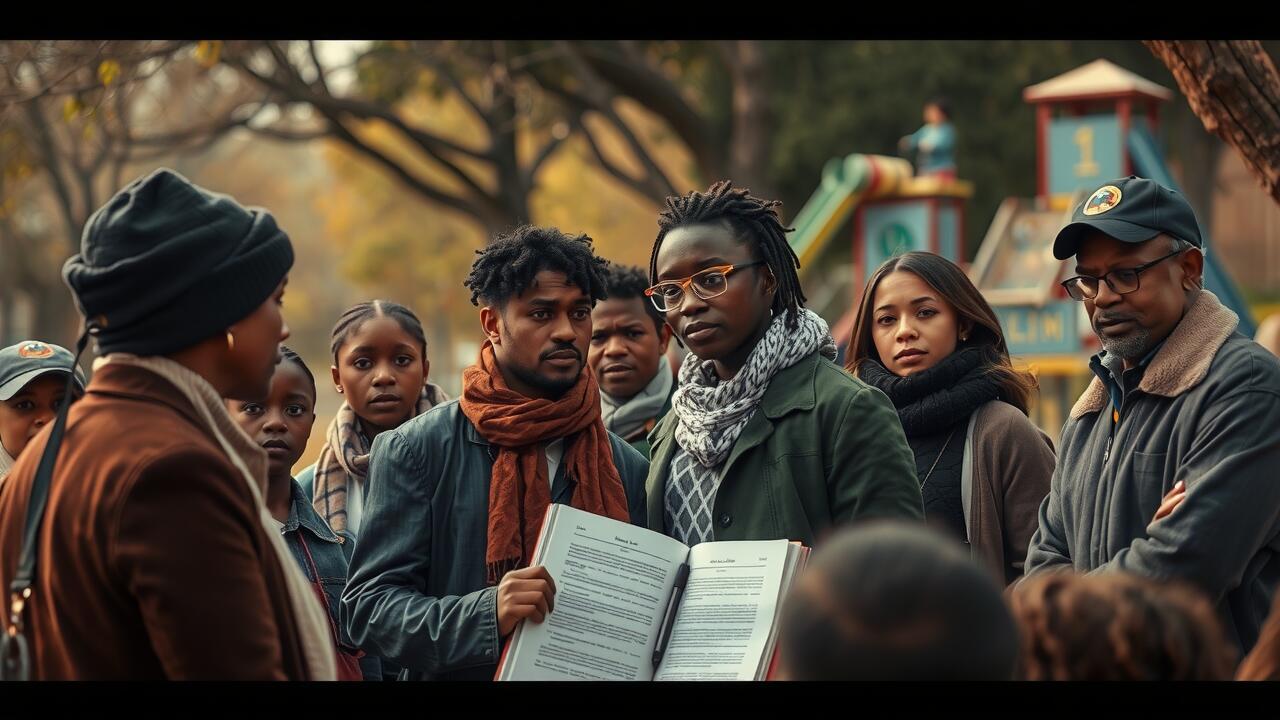
Key Takeaways
- Overview of responsibilities of Washington foster organizations and their accountability in child protection.
- Reasons contributing to issues of accountability within foster care systems.
- Consequences of neglecting child protection and its effects on vulnerable youth.
- Examples showcasing failures in accountability within the foster care framework.
- Methods and strategies for ensuring responsibility among foster care agencies.
- Role of community engagement and stakeholder participation in fostering accountability.
Holding Washington Foster Agencies Accountable For Failing To Protect Children | Overview of Washington Foster Agencies' Responsibilities
Washington foster agencies carry a profound responsibility to protect vulnerable foster children from harm while placing them in safe and nurturing environments. Holding Washington Foster Agencies Accountable for Failing to Protect Children encompasses understanding the legal and ethical obligations these agencies have toward the welfare of foster children. This includes ensuring that foster care systems operate effectively and that foster homes are monitored to prevent incidents of child abuse in foster care. Foster parents must receive adequate training and support to fulfill their roles, as they are integral to the stability of foster families. Child protection services play a vital role in this framework, ensuring that the needs of foster children are prioritized and addressed within the foster care system.
- Foster agencies are required to conduct thorough background checks on potential foster parents before placement.
- Regular training programs for foster parents must be provided to equip them with necessary skills and knowledge.
- Agencies are obligated to maintain open lines of communication with biological families, where appropriate, to support reunification efforts.
- Regular monitoring and evaluations of foster homes should be mandated to ensure a safe environment for children.
- Agencies must have clear protocols for reporting and addressing any incidents of abuse or neglect promptly.
- Collaboration with community organizations and resources is essential to provide comprehensive support for foster children and families.
- Continuous advocacy for policy reforms is crucial to strengthen the accountability and effectiveness of foster care agencies.
Holding Washington Foster Agencies Accountable for Failing to Protect Children | Legal Obligations to Protect Children
Foster agencies have a legal obligation to safeguard the welfare of children placed in their care. This includes ensuring that foster homes provide a safe and nurturing environment for all children, especially neglected children who may have faced trauma prior to entering the system. Child protective services (CPS) are tasked with monitoring these foster family dynamics, ensuring that foster mothers and other caretakers adhere to the standards set forth for the protection of their wards. Holding Washington foster agencies accountable for failing to protect children requires a strict adherence to these legal obligations, alongside active oversight from relevant authorities.
Child neglect remains a pervasive issue within the foster care system, often attributed to inadequate enforcement of policies. Foster parents are expected to meet the needs of children under protective custody, yet many lack the training and support necessary to do so effectively. Legal frameworks establishing the responsibilities of foster agencies highlight the need for robust child protective services that can intervene when standards are not met. Holding Washington foster agencies accountable for failing to protect children requires not only an understanding of these legal obligations but also a commitment to addressing the underlying issues that contribute to systemic failures in child welfare.
Role of Foster Agencies in Child Welfare
Foster agencies play an essential role in the child welfare system by providing care, support, and protection for children at risk of abuse and neglect. Their primary responsibility is to ensure the safety and well-being of abused children, helping them navigate the challenges associated with trauma. Holding Washington Foster Agencies Accountable for Failing to Protect Children means recognizing the critical need for effective child-protective-services that prioritize child safety and welfare. These agencies must be vigilant in identifying families in crisis and implementing measures to safeguard children from further harm.
The effectiveness of child care within foster agencies significantly impacts the overall child welfare landscape. By fostering transparent communication and collaboration with various stakeholders, these agencies can create networks that enhance the protection from abuse and reduce instances of abuse and neglect. Holding Washington Foster Agencies Accountable for Failing to Protect Children requires a thorough understanding of the systemic issues that hinder effective care and support. This accountability ensures that children receive the necessary resources to thrive and recover from their experiences while fostering a culture of safety and care within the community.
Factors Leading to Accountability Issues
In the pursuit of Holding Washington Foster Agencies Accountable for Failing to Protect Children, several factors contribute to the accountability issues faced by these organizations. The lack of effective oversight mechanisms within the foster care system often leads to neglect and child endangerment, undermining the rights of vulnerable toddlers. Advocacy efforts have highlighted deficiencies in the Washington State Legislature's regulatory framework, which govern the Department of Social and Health Services (DSHS). Meanwhile, insufficient training for foster care providers hampers their ability to respond appropriately to the needs of children in their care. The interplay between law enforcement and agency discipline also raises concerns about liability and accountability, further complicating the landscape in which foster agencies operate. As a result, the systemic failures to ensure the safety and well-being of children remain a pressing issue in Washington State.
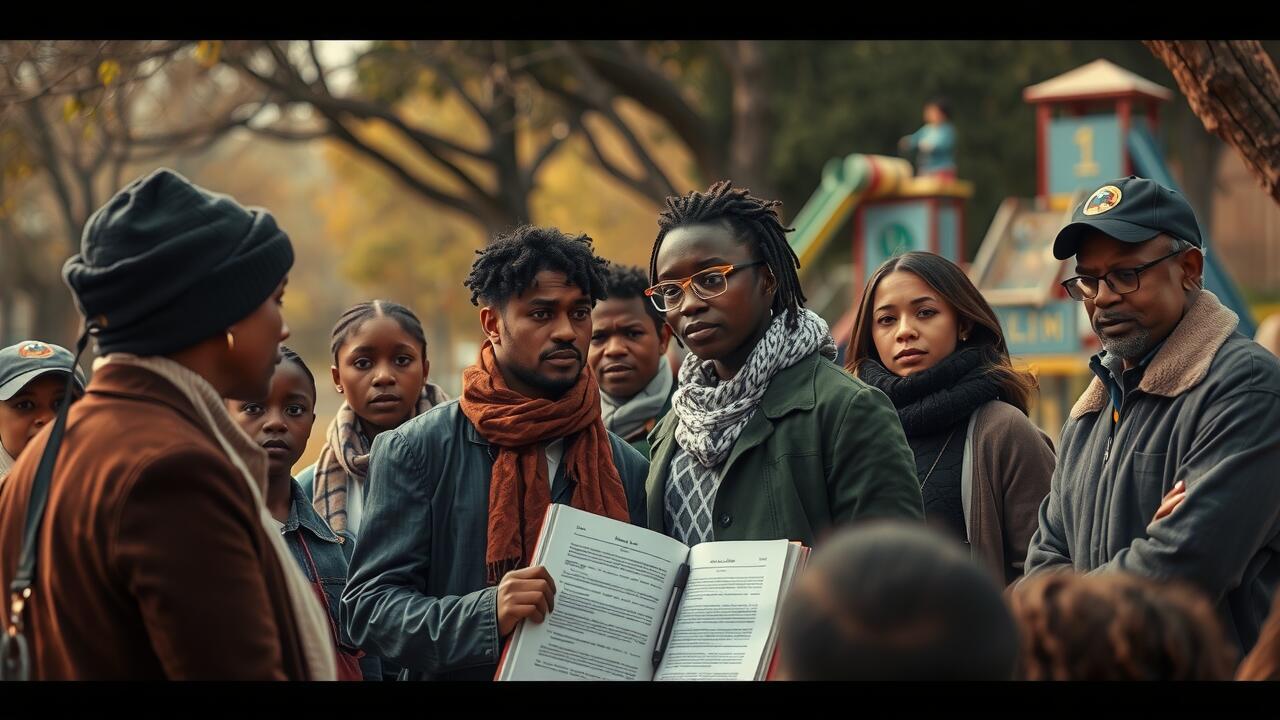
Lack of Oversight in Foster Care System
Oversight in the Washington foster care system remains critically insufficient, leading to alarming gaps in the protection of children. The lack of rigorous monitoring allows state actors and foster care agencies to operate with limited accountability. Issues arise when adoptive parents are not adequately vetted, and attorneys involved in juvenile court proceedings may overlook critical signs of distress among foster care children. Holding Washington foster agencies accountable for failing to protect children becomes increasingly complicated when sovereign immunity is invoked, hindering legal recourse for those impacted.
The consequences of inadequate oversight extend beyond individual cases to the broader system of state foster care. Without a robust framework in place, children in foster care face heightened risks of neglect and abuse. Legal mechanisms aimed at holding Washington foster agencies accountable for failing to protect children must be strengthened to ensure that the vulnerabilities of these children are addressed. Increased scrutiny and accountability can foster a more reliable and supportive environment for Washington's most vulnerable populations.
Insufficient Training for Foster Care Providers
The lack of adequate training for foster care providers has emerged as a critical issue in Holding Washington Foster Agencies Accountable for Failing to Protect Children. Many foster care authorities provide limited resources for teaching crucial skills needed to manage the complex needs of foster children. This gap in training often results in unsafe environments for foster kids, leaving them vulnerable to potential abuse. Instances of abusive foster care highlight the urgent necessity for comprehensive education programs that equip foster parents with strategies to support the emotional and psychological well-being of children in their care.
Former foster children often share their experiences of inadequate support and guidance from poorly trained providers. This emphasizes the significant role child welfare agencies play in ensuring that foster homes are safe and nurturing. Without effective training, many foster care providers may be ill-prepared to recognize signs of distress or respond appropriately to behavioral challenges. Holding Washington Foster Agencies Accountable for Failing to Protect Children includes advocating for robust training programs that prioritize the safety and development of foster children throughout the state.
Impact of Failing to Protect Children
The failure to adequately protect children within the foster system leads to profound emotional and psychological consequences for vulnerable children. Holding Washington Foster Agencies Accountable for Failing to Protect Children is essential in ensuring that initial foster care placements meet the needs of those placed in the system. Welfare agencies and child welfare authorities must be vigilant in their oversight, as the repercussions of neglect can linger throughout a child's development. The Washington State Department, along with county child welfare organizations, faces the challenge of addressing past failures while fostering an environment where foster moms and caregivers are equipped with the necessary training and support to safeguard the well-being of these children. State accountability is crucial to preventing further harm and ensuring that all children in the foster system have access to a stable and nurturing environment.
Emotional and Psychological Consequences
The emotional and psychological consequences for children left unprotected in dangerous foster homes can be devastating. Child welfare cases in Washington State have revealed unacceptable neglect that harms both the children involved and the reputation of state agencies. Holding Washington Foster Agencies Accountable for Failing to Protect Children necessitates a recognition of how elevated foster-child caseloads contribute to an environment where adequate protections cannot be guaranteed. The well-being of vulnerable children hinges upon the diligent oversight of prospective foster parents and the effectiveness of safeguarding measures implemented by state agencies.
The impact of inadequate care extends far beyond immediate safety concerns. Children who experience trauma in foster care often carry lasting emotional scars that manifest in various ways, including anxiety, depression, and trust issues. Holding Washington Foster Agencies Accountable for Failing to Protect Children is imperative not only for the current generation of foster children but also for the future stability of the child welfare system. The Washington Federation and other advocacy groups stress that comprehensive reforms are necessary to ensure that emotional and psychological support is prioritized, thereby acknowledging the crucial role of state agencies in promoting a healthier environment for all children in care.
- Increased rates of anxiety and depression among foster children
- Difficulty forming trusting relationships in the future
- Higher likelihood of behavioral issues and academic challenges
- Long-term impacts on self-esteem and self-worth
- Increased risk of mental health disorders in adulthood
- Potential for repeating cycles of abuse and neglect
- Need for systemic reforms to improve oversight and support systems
Long-term Effects on Child Development
The impact of inadequate protections for children in state custody extends far beyond immediate safety concerns. Vulnerable youth face significant risks of emotional and psychological distress, which can manifest in various ways as they grow older. Child-welfare systems that fail to adequately support foster care intakes often lead to disrupted placements and instability. Holding Washington Foster Agencies Accountable for Failing to Protect Children requires a critical examination of how effectively agencies address the needs of children during challenging times. Child services investigators and welfare staff use their expertise to navigate complex child-welfare cases, yet without a robust framework, many children become lost in the system.
Long-term developmental consequences for children in suboptimal foster home placements can be profound. These children may experience difficulties in forming healthy relationships, increased behavioral issues, and challenges in academic performance. The role of a dedicated child welfare caseworker is vital in providing consistent support and advocacy, but systemic failures often hinder their ability to make a lasting impact. Holding Washington Foster Agencies Accountable for Failing to Protect Children highlights the need for improved oversight and support mechanisms within child welfare systems, to ensure that the future well-being of children in state custody is prioritized and safeguarded.
Case Studies of Accountability Failures
Notable incidents within Washington State illustrate the critical need for Holding Washington Foster Agencies Accountable for Failing to Protect Children. These case studies reveal patterns of neglectful behavior that have resulted in the suffering of abused children. Failure to provide adequate protection within the child welfare system under DSHS supervision has often led to tragic outcomes for these vulnerable citizens. Reports of neglect claims have highlighted the agencies' reluctance to accept responsibility, raising serious concerns about the effectiveness of their oversight. The lack of accountability weakens the girls' protection initiatives, emphasizing the urgent necessity for systemic changes to ensure the safety and well-being of all children within the foster care framework.
Notable Incidents in Washington State
Several notable incidents in Washington State highlight the urgent need for Holding Washington Foster Agencies Accountable for Failing to Protect Children. Reports have emerged regarding children placed in unsafe conditions despite the presence of ideal foster parents. Shortcomings in the child-welfare system led to failures in ensuring safe childhoods, undermining the integrity of protective services. Many county child welfare systems struggled to provide the necessary oversight, resulting in tragic consequences for those in state care.
Former DSHS officials have acknowledged these accountability failures, emphasizing the need for reforms that prioritize child safety above all. Incidents reveal significant gaps in the systems designed to protect children, sparking public concern over the effectiveness of protective services. Holding Washington Foster Agencies Accountable for Failing to Protect Children remains critical in ensuring that every child receives the safe care they deserve, fostering an environment where they can thrive.
Analysis of Responses from Agencies
Responses from agencies addressing accountability issues often highlight the need for stronger oversight mechanisms. Holding Washington Foster Agencies Accountable for Failing to Protect Children requires a thorough analysis of how DSHS staffers manage child dependency cases. In instances where neglect occurs, the government agency must demonstrate that its child-welfare division is equipped to prevent inadequate care and protect dependent children. The urgency of personal accountability among those managing these cases cannot be overstated.
The effectiveness of agency responses is critically examined in light of past failures. Holding Washington Foster Agencies Accountable for Failing to Protect Children hinges on the commitment of DSHS to reform its strategies. A deeper understanding of the institutional barriers that prevent adequate response to neglect is essential. Without a proactive approach, the cycle of inadequate care continues, leaving many dependent children vulnerable. The ongoing scrutiny of these agencies may lead to significant changes in policy and practice, ultimately aiming to enhance child safety and welfare.
Mechanisms for Holding Agencies Accountable
Holding Washington Foster Agencies Accountable for Failing to Protect Children requires a robust regulatory framework and effective policies to ensure children's rights are prioritized. Safe child consultations play a crucial role in this process, offering a pathway for advocates to voice concerns regarding botched child-welfare cases. The responsibility lies not only with the agencies but also with the DSHS staff who manage these vulnerable populations. However, inadequate funding often hampers the effectiveness of these mechanisms. By implementing thorough investigative and reporting procedures, the system can better address gaps that leave vulnerable residents at risk. Holding Washington Foster Agencies Accountable for Failing to Protect Children hinges on a collaborative effort to reinforce the safety and welfare of the children in their care.
Regulatory Framework and Policies
The regulatory framework governing foster care in Washington is designed to ensure the safety and security of children in state-funded homes. Holding Washington Foster Agencies Accountable for Failing to Protect Children necessitates adherence to strict policies that compel agencies to meet established standards of care. State officials are responsible for enforcing these regulations, while appropriate authorities must actively monitor compliance through regular assessments and feedback from adoptive families and child welfare advocates.
Education programs and support services play a crucial role in this regulatory landscape. Agencies must provide ongoing training for foster care providers and establish partnerships with school districts to facilitate better integration of children into the community. Holding Washington Foster Agencies Accountable for Failing to Protect Children requires collaboration across various sectors, ensuring that every child receives the care and support they need from the department tasked with their welfare.
Investigative and Reporting Procedures
Investigative and reporting procedures are vital for Holding Washington Foster Agencies Accountable for Failing to Protect Children. These mechanisms involve both state actors and the agencies responsible for overseeing child welfare. While there are established programs to address child fatalities and support survivors, exceptions often arise when accountability lapses occur. Staffers tasked with reporting incidents must navigate a complex web of regulations that can hinder prompt and effective responses. Delays in investigation can lead to increased risks for children, emphasizing the importance of a streamlined process in cases of potential constitutional violations.
Negligence claims against foster care providers highlight the necessity for rigorous investigative procedures. In Washington state, counties are expected to uphold standards that ensure the protection of children within the system. However, many families have reported systemic failures, indicating that some social services may lack the requisite resources or training to handle sensitive situations appropriately. Ensuring that state actors remain vigilant in their roles is crucial for improving outcomes and preventing future incidents. Holding Washington Foster Agencies Accountable for Failing to Protect Children requires a commitment to enhancing these investigative frameworks.
Community and Stakeholder Involvement
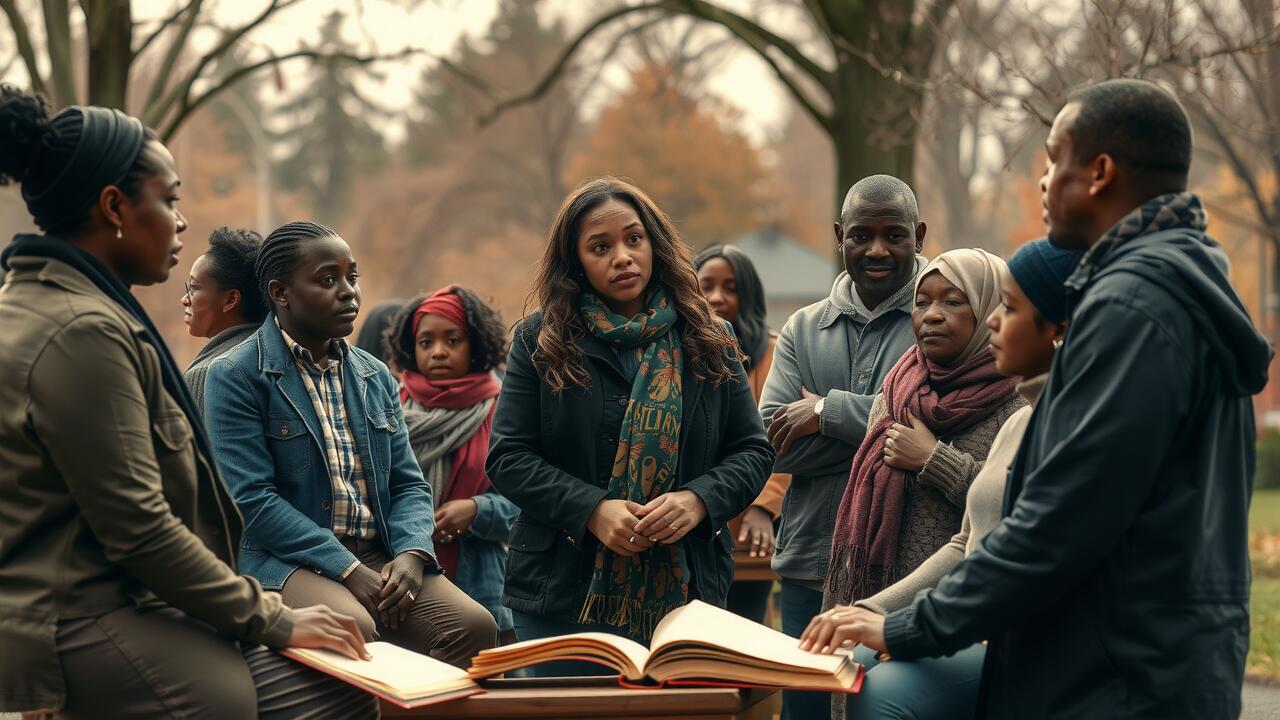
Engaging community members and stakeholders is pivotal in Holding Washington Foster Agencies Accountable for Failing to Protect Children. The Department of Children, Youth, and Families (DCYF) plays a crucial role in this process by bringing together state workers, advocacy groups, and concerned citizens. These collaborations create an avenue for the community to voice concerns about failures within the system and demand transparency from authorities. Ensuring that the liberty interests of children are prioritized requires collective effort and vigilance. By fostering an environment where state workers can be held accountable, Washington can better address the challenges faced by its foster care system. This engagement not only holds agencies accountable but also drives continuous improvement in protecting vulnerable children across the state.
Conclusion
Holding Washington Foster Agencies Accountable for Failing to Protect Children involves a complex interplay between various stakeholders, including adoptive parents, attorneys, and juvenile courts. The responsibilities of foster care agencies extend beyond mere placement of children; they must ensure the safety and well-being of foster care children. Unfortunately, issues such as sovereign immunity often hinder accountability for state actors. A robust regulatory framework is essential for addressing these failures and enabling effective oversight in Washington’s foster care system. By emphasizing the importance of accountability, stakeholders can work towards creating safer environments for children and ensuring that foster care agencies uphold their legal obligations to protect those in their care.
FAQS
What are the primary responsibilities of Washington foster agencies?
Washington foster agencies are responsible for ensuring the safety, well-being, and proper care of children placed in foster homes. They are required to recruit, train, and support foster parents, as well as monitor the conditions in which children live.
What legal obligations do foster agencies have to protect children?
Foster agencies are legally obligated to follow state and federal laws that mandate the protection of children from abuse and neglect. This includes conducting thorough background checks on foster parents and ensuring that appropriate safety measures are in place.
What factors contribute to accountability issues in Washington's foster care system?
Accountability issues can arise from a lack of oversight, insufficient training for foster care providers, inadequate resources, and bureaucratic inefficiencies that hinder the ability of agencies to effectively monitor and address problems.
How do the failures of foster agencies impact children emotionally and psychologically?
Children who are not adequately protected by foster agencies may experience emotional and psychological consequences such as anxiety, depression, trust issues, and difficulties forming healthy relationships, which can affect their overall development.
What mechanisms are in place to hold foster agencies accountable for their actions?
Mechanisms for accountability include regulatory frameworks, investigative procedures, reporting protocols, and community involvement, which work together to ensure that foster agencies are held responsible for their performance and the safety of the children in their care.
How do Washington foster agencies ensure the safety of children in their care and prevent child abuse and neglect?
Washington foster agencies are held accountable for the safety of children through state child protection laws and efforts to create safe foster homes. These agencies work under the administration of the state child welfare department, which focuses on prevention of foster care abuse and addressing the harms state agencies may cause. Ensuring the protection of girls and boys in care is paramount, and departments like DSHS Children are dedicated to improving the overall system of foster care in western Washington.
What measures are taken by state agencies in Western Washington to combat child abuse and neglect within foster care systems for girls' protection?
State agencies in Western Washington focus on implementing strict regulations and monitoring processes to combat child abuse and neglect within foster care systems. These measures are designed to improve the overall child welfare framework while prioritizing girls' protection and ensuring that children receive the care they need and deserve throughout the states.
What strategies are employed by state agencies in Western Washington to enhance child welfare and ensure girls' protection in the foster care system?
State agencies in Western Washington implement various strategies to enhance child welfare, including regular training for foster parents, comprehensive background checks, and monitoring of foster homes. These measures aim to ensure the safety and well-being of children, particularly girls in the foster care system, by addressing potential risks and providing resources for support.
How does the state agency in Western Washington address issues related to child welfare and enhance girls' protection in the foster care system?
The state agency in Western Washington is committed to improving child welfare through various initiatives aimed at enhancing girls' protection within the foster care system. These initiatives include regular training for foster caregivers, thorough background checks, and ongoing assessments to ensure that the environment is safe and supportive for all children, particularly girls.
What challenges do western Washington foster agencies face in ensuring child welfare and protecting girls in care?
Western Washington foster agencies encounter numerous challenges in their efforts to improve child welfare and ensure girls' protection. These challenges may include insufficient resources, systemic issues, and the need for better training and oversight, which can hinder their ability to provide a safe environment for children in foster care.
What role do government regulations play in improving child welfare and ensuring girls' protection in Western Washington's foster care system?
Government regulations are crucial for enhancing child welfare, as they set standards that foster agencies must adhere to. These regulations help establish practices that promote girls' protection and ensure that vulnerable children receive the care and attention they need within the foster care system.
What actions can be taken to improve child welfare and enhance girls' protection in Washington's foster care system?
To improve child welfare and enhance girls' protection in Washington's foster care system, agencies need to implement comprehensive training programs for foster parents, monitor placements closely, and ensure access to mental health services. Additionally, increasing community involvement and advocacy can play a significant role in addressing issues related to something child welfare and girls' protection.
How can the foster care system in Washington improve outcomes for girls' protection?
To improve outcomes for girls' protection, the foster care system in Washington can implement enhanced training for foster parents, increase support services for young women, and ensure regular monitoring and evaluation of existing practices to better safeguard the welfare of girls in care.
What recommendations can be made to foster agencies in Washington to better support and improve outcomes for girls' protection?
To improve outcomes for girls' protection, foster agencies in Washington can implement more comprehensive training programs for staff, increase support resources for foster families, and strengthen collaboration with community organizations dedicated to girls' welfare. These actions can help ensure that the specific needs of girls in the foster care system are recognized and effectively addressed, leading to better protection and support for their well-being.
What are the implications of failing to hold Washington foster agencies accountable for the safety and girls' protection?
The implications of failing to hold Washington foster agencies accountable can lead to severe consequences for girls' protection, including increased risk of abuse and neglect. Ensuring accountability is crucial for implementing effective measures that safeguard the well-being of girls in foster care.